

Tomentose Pummelo Peel: Uses, Features and Traditional Applications
Tomentose Pummelo Peel is a distinctive dried citrus botanical material closely associated with Huajuhong and Citri Grandis Exocarpium. The name Tomentose Pummelo Peel refers to the characteristic hairy or tomentose surface of the young pomelo fruit traditionally used to produce this material. It is mainly associated with Citrus grandis 'Tomentosa' and has a long history in traditional Chinese botanical applications. Today, Tomentose Pummelo Peel is also used in herbal tea, dried citrus products, botanical ingredients, specialty products, gifting, and wholesale supply.
For international buyers, understanding Tomentose Pummelo Peel is important because it is more specific than ordinary Dried Pomelo Peel. The botanical source, harvesting stage, processing method, appearance, aroma, storage conditions, and intended application all affect the characteristics of Tomentose Pummelo Peel. This guide explains what Tomentose Pummelo Peel is, how it is processed, its traditional applications, and what buyers should consider when sourcing it.
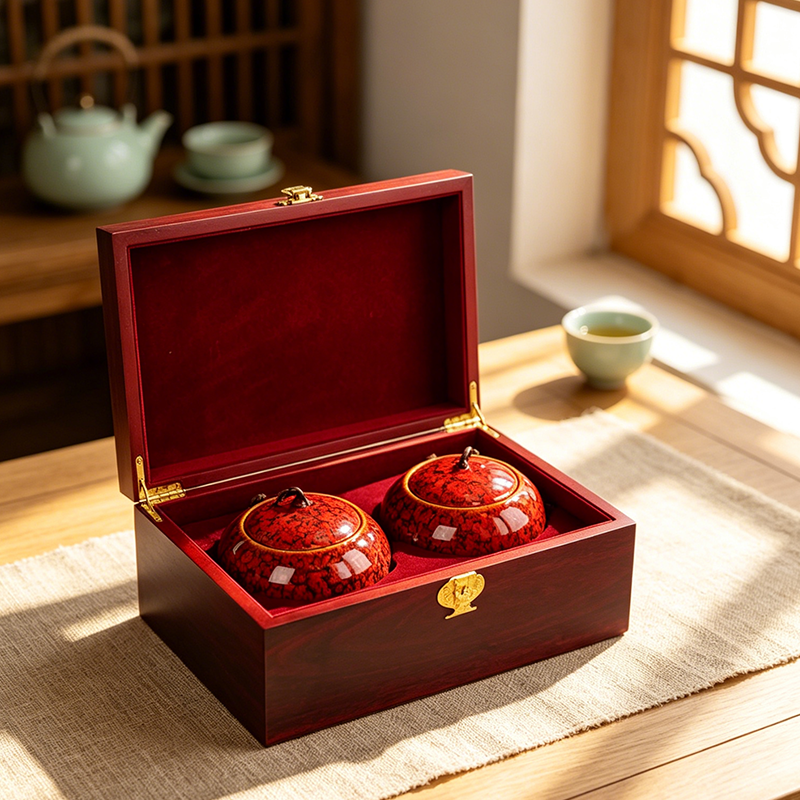
Tomentose Pummelo Peel is the dried outer peel of a pomelo associated with Citrus grandis 'Tomentosa'. It is closely identified with Huajuhong, the traditional Chinese name for Citri Grandis Exocarpium. Scientific literature describes Exocarpium Citri grandis, or Huajuhong, as the epicarp of Citrus grandis 'Tomentosa'.
The word “tomentose” refers to a surface covered with fine, soft hairs. Young fruit from the traditional source can have a noticeably hairy exterior, which helps explain the English name Tomentose Pummelo Peel. After processing and drying, the peel develops a characteristic appearance and texture that distinguish it from many ordinary dried pomelo peel products.
Tomentose Pummelo Peel is not simply a general term for every dried pomelo peel. Ordinary Dried Pomelo Peel can come from different pomelo cultivars, maturity stages, and processing systems. Tomentose Pummelo Peel has a more specific botanical and traditional identity.
Tomentose Pummelo Peel, Huajuhong, and Citri Grandis Exocarpium are closely connected terms. Huajuhong is the commonly used Chinese product name, while Citri Grandis Exocarpium is a scientific or Latinized product name frequently used in botanical and herbal literature. Tomentose Pummelo Peel is an English descriptive name that highlights the characteristic source material.
Scientific research has examined Huajuhong from different growing regions and found differences in volatile compounds among samples. Research has also reported chemical markers that can help distinguish Huajuhong associated with Huazhou from samples produced in other regions.
This geographical and botanical distinction is important when buying Tomentose Pummelo Peel. A supplier should be able to explain the source of the fruit, the harvesting stage, the processing method, and the product specifications instead of using the name Tomentose Pummelo Peel simply as a general marketing term.
Tomentose Pummelo Peel is strongly associated with southern China, particularly Huazhou in Guangdong. Huazhou has a long history of Huajuhong Production, and modern research continues to investigate the relationship between the regional environment and the chemical characteristics of Huajuhong. One recent study found that climate and soil conditions were associated with differences in volatile compounds and authenticity characteristics of Huazhou samples.
Our production is based in Huazhou and focuses on Huajuhong and related dried citrus botanical products. We combine standardized planting with careful raw material selection, harvesting, processing, drying, inspection, packaging, and export-oriented supply.
For international customers, origin is particularly useful when evaluating Tomentose Pummelo Peel because products with similar English names can come from different botanical materials. Clear origin information helps buyers understand what they are actually purchasing.
Tomentose Pummelo Peel has a recognizable appearance after processing. Traditional material is commonly cut into several sections, shaped or pressed, and dried. Depending on the processing method, the finished peel can have a folded, curved, or star-like structure.
The outer surface may range from yellow-green to yellow-brown as the material dries and ages. Fine hairs, wrinkles, oil glands, and natural surface texture may remain visible. The inner surface is usually lighter and may contain visible veins or fibrous structures.
Color alone should not be used to judge quality. Tomentose Pummelo Peel can change in appearance depending on fruit maturity, drying conditions, storage time, humidity, and packaging. A proper quality assessment should consider appearance together with aroma, cleanliness, dryness, foreign matter, and agreed specifications.
The tomentose or hairy surface is one of the most recognizable characteristics associated with the traditional source fruit. It helps distinguish Citrus grandis 'Tomentosa' from some other pomelo varieties. This is one reason the term Tomentose Pummelo Peel is useful when describing the product to international buyers.
However, the surface appearance of the fresh fruit is not enough to authenticate a finished dried product. Once the peel has been cleaned, cut, dried, stored, and aged, its original surface characteristics may become less obvious.
For commercial sourcing, botanical identification, production records, origin information, and agreed quality specifications provide a more reliable basis for product evaluation than appearance alone.
Traditional Tomentose Pummelo Peel processing begins with selecting immature or nearly mature fruit. The harvesting stage is important because traditional Huajuhong is associated with young pomelo fruit rather than simply mature pomelo peel.
Traditional processing descriptions include briefly treating the fruit, cutting the peel into several sections, removing the pulp and some of the inner material, shaping or pressing the peel, and drying it. These steps create the characteristic form associated with traditional Huajuhong.
Modern commercial processing can add several quality-control procedures around this traditional method. These may include raw material inspection, cleaning, controlled drying, grading, moisture management, packaging inspection, and storage management.
Processing is important because it directly affects the final appearance, texture, aroma, moisture level, and stability of Tomentose Pummelo Peel. Modern research on citrus medicinal and edible botanical materials also shows that processing can influence phytochemical composition through chemical transformations such as oxidation, hydrolysis, polymerization, and isomerization.
The harvesting stage is one of the main characteristics that separates Tomentose Pummelo Peel from ordinary dried pomelo peel. Traditional Huajuhong is generally produced from immature or nearly mature fruit. The fruit is harvested before full maturity, when the peel has the desired characteristics for traditional processing.
In contrast, general Dried Pomelo Peel may be produced from mature fruit after the edible portion has been consumed or processed. The final product can therefore differ substantially in thickness, texture, aroma, and composition.
For wholesale buyers, asking about the harvesting stage is a simple but useful quality question. If a product is specifically marketed as Tomentose Pummelo Peel, the supplier should be able to explain the raw material and harvesting process.
Tomentose Pummelo Peel has a recognizable citrus aroma. The aroma comes from naturally occurring volatile compounds in citrus peel. The intensity can vary according to botanical source, harvesting stage, processing, drying, aging, and storage.
The sensory profile is generally associated with a fresh citrus character combined with bitter and slightly pungent notes. When brewed, Tomentose Pummelo Peel can provide a distinctive citrus aroma that works well in herbal tea and botanical blends.
Scientific research has investigated the volatile compounds of Huajuhong from different regions. Such research indicates that ecological conditions can influence volatile composition, which is another reason geographical origin can matter when evaluating Tomentose Pummelo Peel.
Tomentose Pummelo Peel has a long history of traditional use in China. The material is closely associated with traditional Chinese herbal practice and has been documented in historical literature for centuries. A review of its historical origin reported early records of Citri Grandis Exocarpium and described the development of cultivation, processing, grading, and quality standards over time.
Traditional applications are different from modern commercial applications. Historically, Tomentose Pummelo Peel was prepared as a traditional herbal material. Today, the dried peel may also be used in herbal tea, botanical products, specialty dried citrus products, wellness-oriented products, and gift packaging.
When discussing traditional applications, it is important to distinguish traditional use from modern medical treatment. Tomentose Pummelo Peel is a traditional botanical material, and traditional descriptions should not be interpreted as a guarantee of medical effects for every consumer.
Herbal tea is one of the most practical modern uses of Tomentose Pummelo Peel. The dried peel can be brewed alone or combined with other suitable botanical ingredients to create a citrus-oriented herbal tea.
A simple preparation can involve placing a suitable amount of clean Tomentose Pummelo Peel in a cup or teapot and adding hot water. Brewing time and quantity can be adjusted according to taste and the specific product formulation.
For commercial herbal tea production, consistency is more important than simply choosing the strongest-smelling peel. Buyers should consider piece size, cleanliness, moisture, aroma, appearance, packaging, and supply stability. Consistent raw material makes blending, filling, packaging, and inventory management easier.
Tomentose Pummelo Peel is also suitable for traditional botanical products that emphasize Chinese herbal culture and dried citrus ingredients. Its distinctive name and connection with Huajuhong give it a clear product identity.
Potential commercial formats include dried peel products, herbal tea blends, botanical gift boxes, specialty citrus products, wellness-oriented products, and raw materials for further processing. The appropriate format depends on the target market and local product requirements.
For Southeast Asian markets, packaging can be adapted for different distribution channels. Bulk packaging may suit importers and distributors, while smaller retail packaging can be used for consumer-facing products. Premium gift packaging can also be developed for business gifting and traditional Chinese botanical product collections.
Citrus peel contains naturally occurring phytochemicals such as flavonoids, coumarins, phenolic compounds, volatile oils, and other components. Research on pomelo peel has identified numerous chemical constituents across different cultivars, including flavonoids, coumarins, organic acids, aldehydes, and other compounds.
Research specifically examining Huajuhong has also identified multiple chemical components and investigated quality markers that may help distinguish different commercial materials. One study analyzing more than 200 commercial samples found that chemical profiles can vary among Huajuhong sources and growth stages.
These findings explain why Tomentose Pummelo Peel is of interest to researchers and product developers. However, the chemical composition of one commercial batch should not be assumed to represent every Tomentose Pummelo Peel product. Botanical source, cultivation environment, maturity, processing, drying, and storage can all influence composition.
Traditional applications provide an important cultural background for Tomentose Pummelo Peel, but modern product development requires additional considerations. Manufacturers need to consider raw material consistency, food or botanical product requirements, packaging, labeling, storage, and the regulations of the destination market.
For herbal tea businesses, Tomentose Pummelo Peel can serve as a recognizable citrus botanical ingredient. For specialty food businesses, it can provide a traditional dried citrus identity. For gift products, the combination of Huazhou origin and traditional Chinese botanical culture can create a distinctive product story.
Our production model is designed to support these different applications. We provide standard products as well as customized packaging and private-label solutions for qualified wholesale customers.
Quality assessment should begin with the raw material source. Buyers should ask what botanical material was used, where the fruit was grown, and at what maturity stage it was harvested. If the product is specifically sold as Tomentose Pummelo Peel, the supplier should be able to explain the relationship between the product and Citrus grandis 'Tomentosa'.
The second step is physical inspection. Good-quality Tomentose Pummelo Peel should be reasonably clean and properly dried, with a consistent appearance appropriate to the agreed specification. Buyers can inspect color, texture, surface characteristics, aroma, piece structure, and foreign matter.
The third step is packaging. Dried botanical materials can absorb moisture from the environment, especially during transportation through humid regions. Moisture-resistant inner packaging and suitable outer cartons can help maintain product condition.
Finally, buyers should consider batch consistency. A supplier may provide an attractive sample, but regular wholesale purchasing requires consistent raw materials. Ask about production capacity, quality inspection, packaging, lead time, and the supplier's ability to maintain the agreed specifications.
Our Tomentose Pummelo Peel supply follows a whole-process quality approach. We focus on standardized planting, raw material selection, manual harvesting, cleaning, drying, grading, quality inspection, and packaging.
Before shipment, checks can include appearance, cleanliness, dryness, quantity, packaging condition, and other agreed product requirements. For customized orders, additional specifications can be discussed before production.
This process is particularly important for international customers. When a product travels from China to Southeast Asia, it may experience changes in temperature, humidity, handling, and transportation time. Proper packaging and stable moisture control can therefore be important parts of product quality.
Our Tomentose Pummelo Peel supply is designed with Southeast Asian buyers in mind. We support customers in Vietnam, Thailand, Malaysia, Indonesia, Singapore, and other regional markets with wholesale supply, customized packaging, and export-oriented service.
Different buyers have different requirements. Importers may need bulk packaging and stable supply. Retailers may need smaller consumer packages. Herbal tea businesses may require specific piece sizes. Gift businesses may prefer premium packaging. Private-label customers may need customized labels and packaging specifications.
We can discuss these requirements before production so that the final Tomentose Pummelo Peel product matches the intended application as closely as possible.
Wholesale purchasing requires more than checking the unit price. Buyers should consider raw material consistency, order quantity, production lead time, packaging, transportation, payment terms, and customization.
For regular wholesale orders, our normal production lead time is around 7–20 working days after order confirmation. The exact lead time depends on quantity, raw material availability, processing requirements, packaging, and customization.
Payment is generally arranged by T/T, with a deposit before production and the balance before shipment. For transportation, sea freight is suitable for larger bulk shipments, while air freight can be considered for faster delivery. Express delivery is convenient for samples and smaller quantities.
Packaging can include moisture-resistant inner bags, cartons, woven bags, retail packaging, gift packaging, or customized packaging according to customer requirements.

For brands and distributors that want to develop their own products, Tomentose Pummelo Peel can be supplied as a private-label botanical ingredient or finished packaged product, subject to product requirements.
OEM and private-label projects can include packaging size, product form, labeling, outer carton design, gift presentation, and other agreed specifications. Before production, the buyer and supplier should confirm product identity, quantity, packaging, quality requirements, destination market, and delivery schedule.
Our production experience allows us to support both standard wholesale orders and customized projects. The objective is to provide a practical supply solution rather than simply selling an unspecified dried citrus peel.
Tomentose Pummelo Peel and ordinary Dried Pomelo Peel are related, but the terms should not be treated as identical. Tomentose Pummelo Peel has a more specific botanical and traditional identity, while Dried Pomelo Peel is a broad description covering many possible pomelo peel products.
| Feature | Tomentose Pummelo Peel | Dried Pomelo Peel |
|---|---|---|
| Botanical identity | Closely associated with Citrus grandis 'Tomentosa' | Can come from different pomelo varieties |
| Common name | Huajuhong / Citri Grandis Exocarpium | General dried pomelo peel |
| Harvest stage | Generally immature or nearly mature fruit | Varies according to producer |
| Surface | Source fruit is characteristically tomentose | Depends on pomelo cultivar |
| Traditional identity | Strong connection with traditional Huajuhong | General dried citrus ingredient |
| Applications | Herbal tea, traditional botanical products and specialty products | Tea, food, beverage and botanical applications |
This difference matters when sourcing the material. If a buyer specifically needs Tomentose Pummelo Peel, the supplier should provide information about botanical source and production rather than substituting an unspecified dried pomelo peel.
Tomentose Pummelo Peel has a long traditional history in Chinese herbal practice. Historical and pharmacological literature has documented traditional uses of Exocarpium Citri grandis, or Huajuhong, for respiratory-related herbal applications.
Modern research has also investigated extracts and chemical constituents of this material. Some laboratory and animal studies have reported biological activities, but these findings should not be presented as proof that a commercial Tomentose Pummelo Peel product treats or prevents a disease in humans.
For consumer-facing product descriptions, it is safer and more accurate to describe Tomentose Pummelo Peel as a traditional botanical material, herbal tea ingredient, or wellness-oriented ingredient and to clearly distinguish traditional use from modern clinical claims.
Tomentose Pummelo Peel should be kept in a clean, dry, well-protected environment. Excessive humidity can negatively affect dried botanical products, so moisture-resistant packaging is useful during storage and transportation.
After opening a package, the remaining Tomentose Pummelo Peel should be resealed properly and protected from humid air, direct contamination, and strong surrounding odors. Warehouses should also avoid storing the product next to materials with strong smells.
For large commercial inventories, buyers should regularly check packaging integrity and product condition. Proper storage is particularly important in tropical and subtropical markets where humidity can be high.
Tomentose Pummelo Peel is a traditional dried citrus peel material closely associated with Citrus grandis 'Tomentosa', Huajuhong, and Citri Grandis Exocarpium. It is produced from immature or nearly mature pomelo fruit and processed into a dried botanical material.
Tomentose Pummelo Peel is an English descriptive name commonly used for the botanical material associated with Huajuhong. Huajuhong is the common Chinese name, while Citri Grandis Exocarpium is a widely used scientific or Latinized name.
Tomentose Pummelo Peel is traditionally used as a dried botanical material. Modern applications include herbal tea, traditional botanical products, specialty dried citrus products, gifting, retail products, and wholesale botanical ingredient supply.
Not necessarily. Tomentose Pummelo Peel is a more specific material associated with a recognized botanical source and traditional processing. Dried Pomelo Peel is a broader category that may include peel from different pomelo varieties and maturity stages.
Yes. Tomentose Pummelo Peel can be used alone or with other suitable botanical ingredients in herbal tea blends. Its dried citrus aroma makes it suitable for products that want a distinctive Traditional Citrus character.
Tomentose Pummelo Peel is strongly associated with southern China, particularly Huazhou in Guangdong. Huazhou has a long production history of Huajuhong, and recent research has examined the relationship between Huazhou's ecological environment and Huajuhong characteristics.
Wholesale buyers should provide their required quantity, product form, packaging, quality specifications, destination market, and customization requirements. We support bulk supply, customized packaging, OEM, and private-label projects for qualified customers.
Huazhou provides an important origin background for Tomentose Pummelo Peel and Huajuhong. Our production focuses on maintaining the traditional product identity while applying modern production management.
We use standardized planting and whole-process management covering seed selection, seedling cultivation, field maintenance, harvesting, drying, processing, inspection, and packaging. We also focus on selecting suitable raw materials and avoiding inferior or unsuitable materials.
For international customers, our supply system is designed around practical requirements. We can provide standard products, wholesale packaging, retail packaging, premium gift packaging, OEM, and private-label solutions according to customer requirements.
Our business philosophy centers on quality, integrity, and continuous innovation. We aim to provide stable Tomentose Pummelo Peel and related Huajuhong products for long-term cooperation rather than focusing only on individual transactions.
Tomentose Pummelo Peel is a distinctive traditional citrus botanical material with a clear connection to Huajuhong and Citri Grandis Exocarpium. Its identity is based on the botanical source, immature or nearly mature fruit, traditional processing, characteristic surface, citrus aroma, and long history of traditional application.
For consumers, Tomentose Pummelo Peel offers an interesting traditional citrus ingredient for herbal tea and botanical products. For manufacturers, it can serve as a specialized raw material with a recognizable origin and product identity. For wholesalers and distributors, understanding its botanical and processing characteristics is essential when comparing suppliers.
The most important point is to distinguish Tomentose Pummelo Peel from generic Dried Pomelo Peel. Similar appearance does not always mean identical botanical source or processing history. Buyers should check origin, raw material, harvesting stage, processing, appearance, aroma, moisture, packaging, and batch consistency before placing commercial orders.
With Huazhou-origin production, standardized planting, careful processing, quality inspection, and export-oriented packaging, we provide Tomentose Pummelo Peel and related Huajuhong products for herbal tea, traditional botanical applications, specialty products, gifting, wholesale, OEM, and private-label projects. Our focus is on combining the traditional characteristics of Tomentose Pummelo Peel with practical requirements for modern international supply.
Copyright @ Xiangyun Platform Information Technology Co., Ltd All rights reserved Filing Number: CP Reserve123456789-1
Powered by Xiangyun Platform Technical Support: Xiangyun Platform Disclaimer Website Map | RSS | XML
サイトマップこの Web サイトでは、お客様に最高のエクスペリエンスを提供するために Cookie を使用しています。
 English
 Español
 Portugues
 Pусский
 Français
 Deutsch
 한국어
한국어 العربية
 Italiano
 ไทย
ไทย Indonesia
 Melayu
 Tiếng Việt
 中文
中文 Magyar
 မြန်မာ
 ພາສາລາວ
 Filipino
 ខ្មែរ
ខ្មែរ


コメント
(0)